
People walk into a house thinking about the kitchen counters, the bedroom size, and whether the backyard is big enough. Storage space rarely makes it onto the wishlist. Yet it is often the thing that makes or breaks how livable a home actually feels once you move in. If there is nowhere to put your stuff, even a beautiful home starts to feel cramped fast.
Why Storage Gets Ignored During the House Hunt
When you tour a home, you are looking at rooms full of someone else's things. Closets are tidy, pantries are half-empty, and garages have just enough space to walk through. It all looks fine. What you are not seeing is how that space holds up when a whole family's worth of coats, luggage, tools, and seasonal items moves in.
Storage is easy to overlook because it is invisible during showings. You see the square footage of living space, not the square footage of storage space. A house can feel roomy and open on a tour and then feel suffocating two months after move-in when every closet is overflowing and there is no logical place for anything.
What Good Storage Actually Looks Like in a Home
Good storage is not just about having a lot of closets. It is about having the right kind of space in the right places. A deep coat closet near the front door makes daily life smoother. A pantry close to the kitchen cuts down on clutter on countertops. A linen closet near the bathroom means towels and toiletries have a home instead of piling up on shelves.
Quick rule of thumb: Think about where you actually use things day to day. Storage that sits close to where you need it does more for your sanity than a massive storage room on the other side of the house.
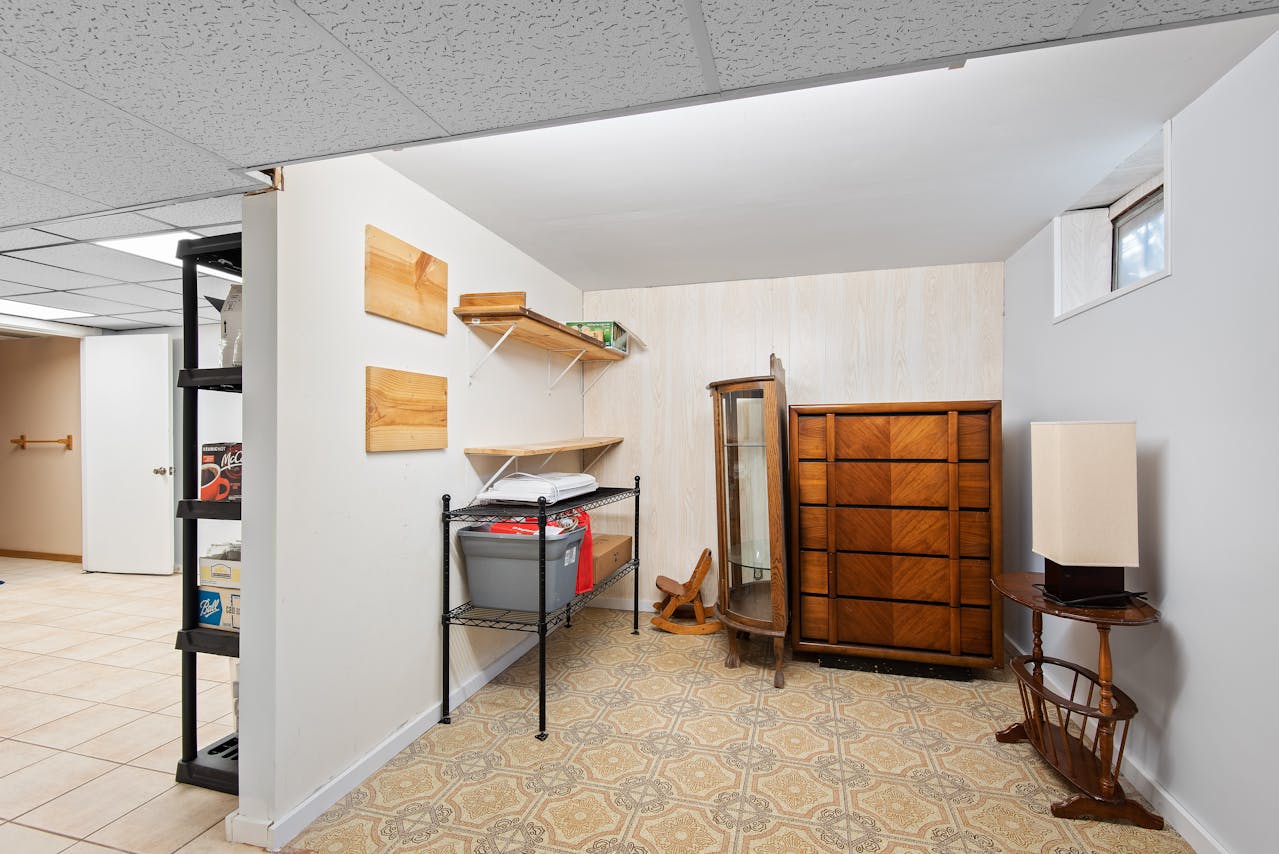
Garage space, basement storage, and attic access matter too, especially for items you do not need regularly. Holiday decorations, camping gear, sporting equipment—all of this needs somewhere to live. A home that only has bedroom closets and no secondary storage quickly becomes a problem once real life settles in.
How Storage Shapes Everyday Life at Home
A home with enough storage runs more quietly. Things have a place. You can find what you need without digging through piles. Kids' toys have a room or a closet where they actually belong. The kitchen counter stays clear because there is enough cabinet space for all the appliances and dishes.
When storage is tight, the whole house suffers. Items end up in random spots. Clutter builds up on tables, counters, and floors. Getting ready in the morning becomes a small frustration because you cannot find anything. These are not dramatic problems, but they add up. Over time, a lack of storage makes a home feel disorganized even when you are trying to keep it clean.
Room-by-Room Storage That Buyers Should Pay Attention To
Bedrooms
Bedrooms should have closets that are deep enough to actually hang clothes without them pressing against the door. Walk-in closets are a bonus, not a necessity, but shallow closets that only fit a few items are a real limitation. Check every bedroom, not just the primary one.
Kitchen
Kitchens need cabinet space that matches how you cook. If you bake, you need room for equipment. If you host dinners, you need space for dishes and serving items. A beautiful kitchen with no storage is a beautiful headache waiting to happen.
Bathrooms
Bathrooms often get the least thought, but a vanity with drawers, a medicine cabinet, and ideally a linen closet nearby all make a significant difference. Bathrooms without storage end up with products piled on the counter, which is both messy and annoying.
Entry & Mudroom
Entry areas and mudrooms make a huge difference for families. A place to drop bags, shoes, and jackets near the door keeps the rest of the house cleaner. If there is no storage at the entry, everything ends up on the nearest chair or floor.
What Smart Buyers Do Before Making an Offer
Working with a knowledgeable agent or real estate team makes it easier to evaluate a home's storage honestly. Next Step House Buyers can help you look past the staging and assess whether the real-world storage capacity of a home lines up with how your household actually lives—not just how the photos make it look.
One practical move is to open every door during a showing: every closet, every cabinet, every storage area. Get a sense of how much real, usable space there is, not just whether it looks cute. Some closets are oddly shaped, too shallow, or broken up by mechanical equipment like water heaters or HVAC units. None of that shows up in listing photos.
Can You Add Storage After You Move In?
Sometimes, yes. Built-ins, shelving systems, and garage organization setups can add functional storage to a home that is lacking. A basement can often be organized better with the right shelving. Closets can sometimes be extended or reconfigured with a modest investment.
That said, you can only work with what the house gives you. If a home has no basement, no garage, and only small closets, you are working against the structure of the house. Adding storage is possible, but it takes money and creativity—and even then, you are solving a problem that a better-suited home would not have had in the first place.