
You toured the house three times. You loved the kitchen, the backyard, and the natural light. You signed the papers, moved in, and then you opened the closet. That hollow little space behind the bedroom door stared back at you. Your shoes didn't fit. Your coats had nowhere to go. And slowly, a quiet frustration you never voiced during the tour started to settle in.
Storage is one of those things buyers think about after they buy. During showings, people get swept up in curb appeal, fresh paint, and open-concept kitchens. Closets? They get a two-second glance and a shrug. Yet within months of moving in, inadequate storage becomes one of the most talked-about regrets among new homeowners. This article breaks down why that happens and what to actually look for before you commit.
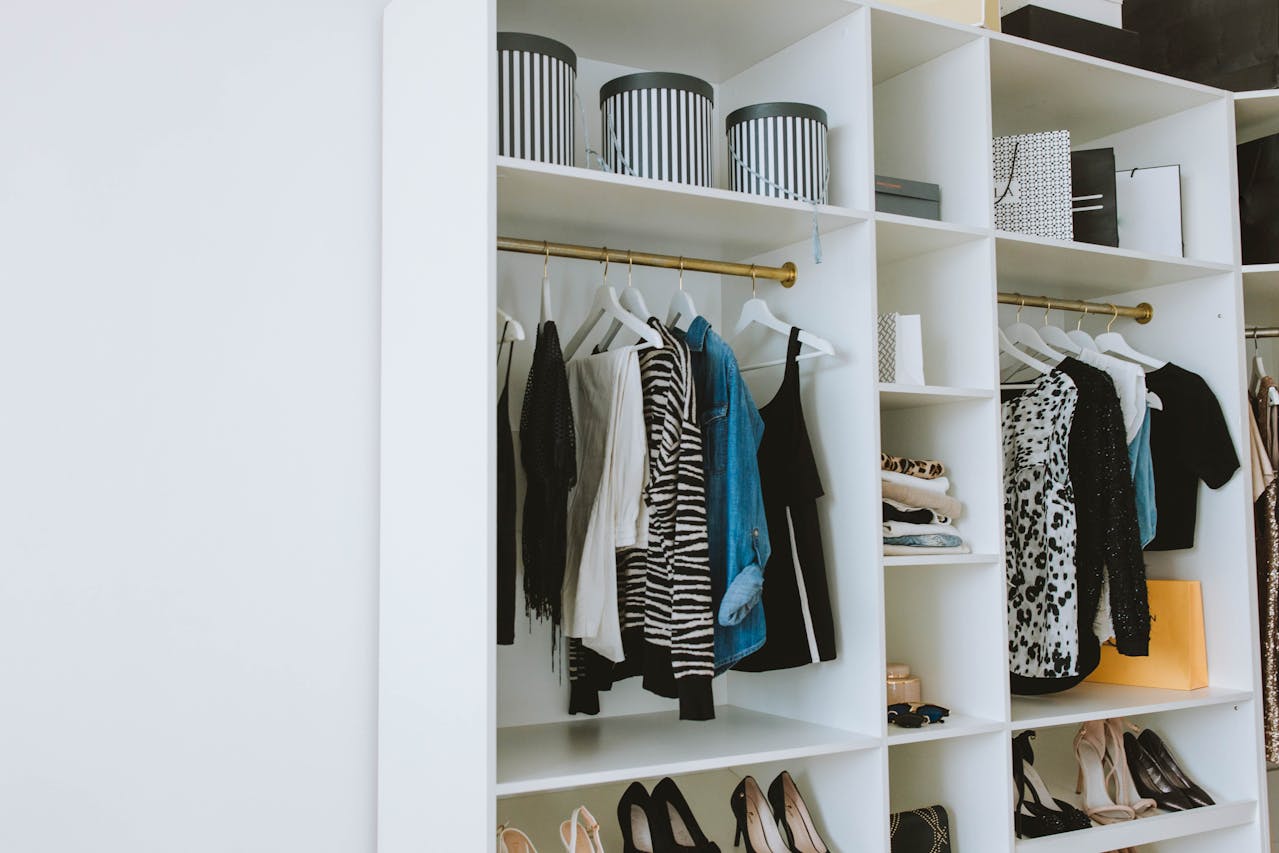
Why Storage Gets Ignored During Home Tours
Buyers are emotional during home tours. They're picturing their furniture in the living room, imagining Sunday mornings in that sunlit kitchen nook. Nobody's standing in the hallway thinking about where the vacuum cleaner will live.
Real estate listings rarely highlight storage as a selling point unless it's exceptional—think walk-in closets with built-in shelving or a finished basement with wall-to-wall cabinetry. Everything else is just assumed to be enough. Buyers tend to accept that assumption without questioning it.
There's also a social dimension to this. Pointing out that there isn't enough closet space in front of a seller or agent can feel nitpicky or demanding. Most buyers swallow that concern and keep moving through the tour. That silent discomfort is exactly how the problem follows them home.
What Enough Storage Actually Looks Like
A home with good storage doesn't just have closets. It has closets in the right places, with usable depth and height. A closet that's 18 inches deep sounds fine on paper, but it actually can't hold standard hangers without clothes pressing against the door. That's a design flaw, not a quirk.
Look for storage in these specific spots during your next showing: linen closets near bathrooms, pantry space or deep kitchen cabinets, a coat closet near the entry, and at least one large bedroom closet per adult in the household. Garages and basements count too, as long as they're dry, accessible, and have some organization potential.
How Small Closets Actually Change Daily Life
It starts small. A pile of shoes by the door because there's nowhere else. Boxes stacked on the bedroom floor because the closet is already full. Then comes the storage unit rental, the under-bed bins, and the over-door hooks. Before long, solutions to the storage problem are everywhere, and none of them feel like solutions.
Clutter has a direct effect on stress. When living spaces double as storage hacks, the home stops feeling like a retreat. People spend more time managing stuff than enjoying the space they paid for. That's a quality-of-life issue, not a minor inconvenience.
Asking About Storage Without Feeling Awkward
Here's something practical: you are allowed to open every closet, cabinet, and door during a showing. That's what showings are for. Don't rush through it. Bring a tape measure if you're seriously considering a property. Check closet depth, width, and height. Look at how many shelves there are and whether the rod is adjustable.
Ask your agent direct questions: Is this the only linen storage? Or, Where would seasonal items typically be stored in a house like this? A good agent won't find this annoying. New South Property Solutions works with buyers who ask exactly these kinds of detailed, practical questions, because they know the difference between a house that photographs well and one that actually lives well.
If a home you love has a storage problem, it's not automatically a dealbreaker. Older homes, for example, were built in an era when people owned far less. Some buyers add a mudroom, convert a spare room corner into a closet, or install custom shelving systems. These are real costs, so factor them into your offer and budget before falling in love with a floor plan that doesn't have room for your life.
Storage Red Flags Worth Walking Away From
Not every storage problem is solvable. Some homes are built on small lots with no expansion potential. Some floor plans are so open that adding storage would mean losing living space. Before accepting these trade-offs, think honestly about your household: how many people, how much gear, how much clothing, what hobbies do you have that need dedicated space?
- No linen closet at all in a multi-bathroom home
- Primary bedroom closets under 4 feet wide
- Kitchen with no pantry and minimal cabinet depth
- No garage, basement, or attic for overflow storage
- Shared closets between two bedrooms with no alternative
These aren't dealbreakers for everyone, but they deserve honest weight in your decision. Storage shapes how you live in a home every single day. Give it the attention it quietly deserves before you sign, not after.
A home is more than its square footage and selling points. It's the place where your everyday life happens: mornings, routines, seasons, and all the stuff that comes with them. When storage works, you barely notice it. When it doesn't, you feel it every single day. So on your next tour, slow down at the closets. Open the cabinets. Ask the uncomfortable questions. A few extra minutes of honest evaluation now can save you years of frustration later. Your future self, the one standing in a clutter-free bedroom, will thank you for it.
Frequently Asked Questions
1. Why do buyers overlook storage issues during home tours?
Most buyers focus on emotional features like natural light, kitchen layout, and curb appeal during showings. Storage feels secondary in the moment, so closets and cabinets often get only a glance. The problem usually becomes obvious only after moving in, when everyday belongings need a proper place.
2. Can small closets and limited storage really affect home satisfaction?
Yes. Lack of storage often leads to visible clutter, temporary storage fixes, and even renting external storage units. Over time, this can make a home feel smaller and less organized than expected, even if the square footage is adequate.
3. What should buyers look for to avoid storage problems?
Buyers should check closet depth and width, not just size, and look for practical storage areas like linen closets, pantry space, and garage or attic storage. A good rule is that each bedroom should have its own usable closet, ideally with at least 6 to 10 feet of hanging space, depending on the room.
4. How deep should a bedroom closet be to be functional?
A functional bedroom closet should be at least 24 inches deep to comfortably fit standard hangers without clothes pressing against the door. Anything shallower, like 18 inches, is considered a design flaw and will limit how the space can be used day to day.
5. Can a home with poor storage be fixed after purchase?
In many cases yes, but it comes with a cost. Adding a custom closet system averages $8,000 or more, and structural changes like building a mudroom or converting a room can cost considerably more. Buyers should factor these expenses into their offer and budget before committing.