
Selling a home involves dozens of small decisions. Most sellers focus on paint colors, curb appeal, and staging. Very few stop to think about the curtains, blinds, or shutters hanging in their windows—until it becomes a problem. Window treatments might seem minor, yet they can shift a buyer's first impression in seconds and even stall a closing if no one addresses them upfront.
Why Window Treatments Even Come Up During a Home Sale
When a buyer walks through a home, they are picturing their own life inside those walls. Window treatments are attached to the home, often custom-fitted, and sometimes expensive. That raises a natural question: are these staying or going?
In real estate, anything permanently attached to the home is typically considered a fixture and expected to stay unless the seller notes otherwise. Curtain rods bolted to the wall, plantation shutters built into the window frame, or roller shades mounted inside the casing—all of these can fall into fixture territory. If a seller removes them after an offer is accepted, it can create real tension and sometimes kill a deal.
Buyers notice more than sellers expect. A window stripped of its treatments looks bare and unfinished. On the other hand, leaving behind heavy drapes that a buyer clearly hates can feel like an obligation, not a gift.
When Leaving Window Treatments Behind Actually Helps Your Sale
There are times when leaving window treatments is a genuine selling point. If your home has custom plantation shutters, motorized shades, or high-quality wood blinds that were professionally installed and cost thousands of dollars, keeping them in the home adds perceived value. Buyers love knowing they do not have to spend money right after closing.
If you paid a significant amount for custom window treatments, mention it in your listing. "Custom Hunter Douglas blinds throughout" tells a buyer they are getting something worth keeping, and it adds tangible value to your asking price.
Neutral Treatments Appeal to the Widest Buyer Pool
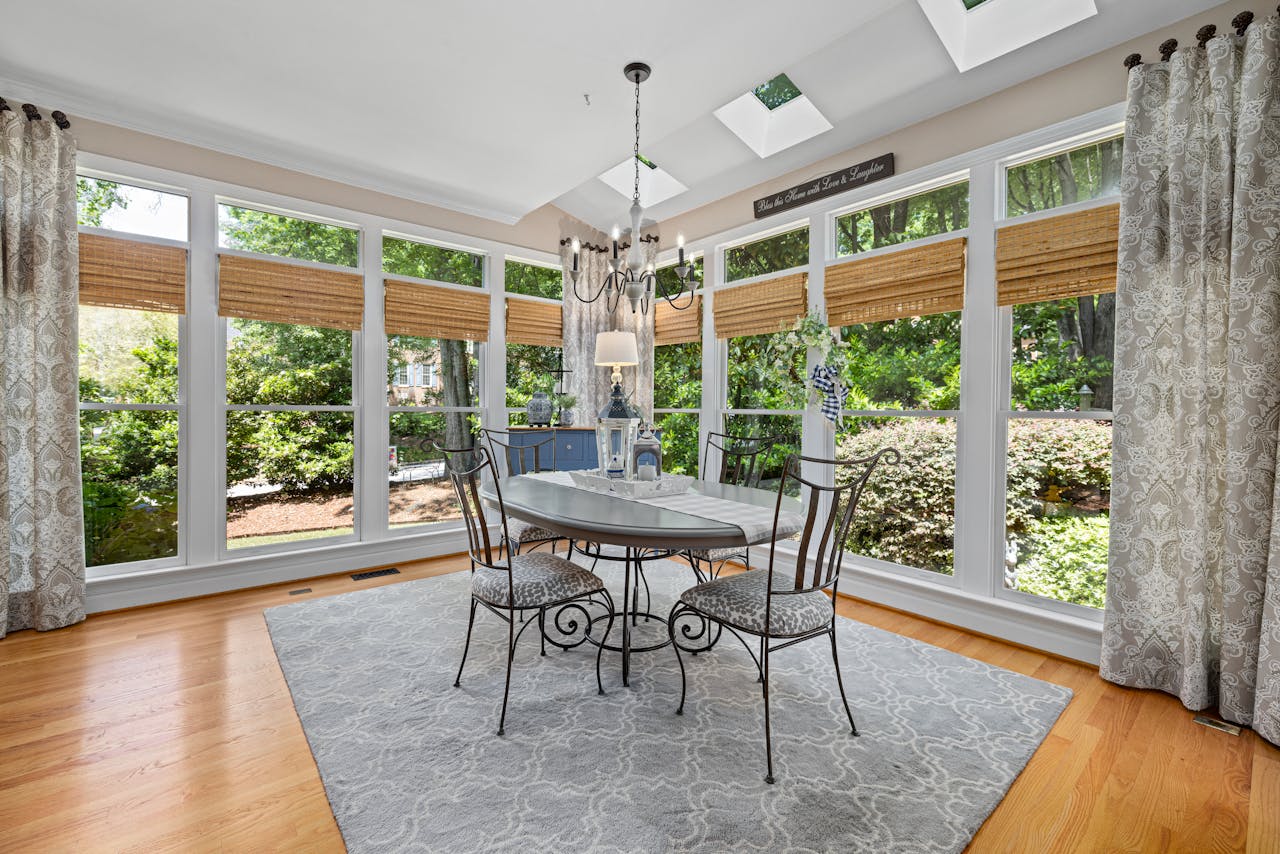
Neutral window treatments work in almost any home. Soft white or gray linen panels, simple roller shades in warm tones, or wood blinds in natural finishes tend to appeal to the widest range of buyers. These kinds of treatments make rooms look polished without clashing with anyone's personal taste.
Leaving quality treatments behind also speeds up the process. Buyers feel more settled, inspectors have fewer loose ends, and the transaction moves forward without unnecessary back-and-forth over what stays or goes.
Sellers Who Work With Cash Buyers Get This Right Fast
Cash home buyers tend to handle these details more efficiently than a traditional sale. They look at the overall property value rather than nitpicking individual items, which means window treatments rarely become a sticking point. Myers House Buyers is a good example of a buyer group that evaluates homes based on their actual condition and overall market value, not whether the curtains match or are staying behind.
This matters for sellers who are moving quickly. If you are liquidating a property, downsizing, or handling an estate sale, the last thing you need is a lengthy negotiation over curtains. Cash buyers simplify that process significantly.
How Old or Outdated Treatments Can Damage Your Listing
Not all window treatments age gracefully. Heavy velvet drapes from the 1990s, yellowed vertical blinds with broken slats, or water-stained Roman shades can make an otherwise nice home look neglected. These are the kinds of details that show up in listing photos and send buyers scrolling past your property before they ever schedule a showing.
Outdated treatments also block light. One of the most effective things a seller can do before listing is to maximize natural light in every room. If your window coverings are blocking that, they are working against you. Removing them entirely may actually serve the home better than leaving them up.
Warning Signs That Your Window Treatments Are Hurting Your Sale
- Broken or bent blind slats signal poor upkeep to buyers
- Faded or stained fabric makes rooms look dull in listing photos
- Heavy, dark drapes can make small rooms feel cramped and uninviting
- Outdated styles distract buyers from the home's actual features
- Missing treatments on some windows create an inconsistent look throughout
Thinking Smart Before You Put Your Home on the Market
Before your home hits the market, walk through each room and honestly evaluate your window treatments. Ask yourself whether a buyer seeing this for the first time would find it appealing, neutral, or off-putting. That simple gut check will tell you most of what you need to know.
If treatments are in great condition and look good, keep them and note them in your listing. If they are outdated or damaged, remove them and let the windows breathe. If they are sentimental or expensive, you have every right to take them—just disclose that clearly upfront so buyers are not surprised later.
Clear communication between buyer and seller prevents most disputes around fixtures. Write into your listing description exactly what stays and what goes. Your real estate agent can include window treatments in the purchase agreement so there is zero ambiguity at closing. That small step protects everyone involved and keeps your transaction on track.
Window treatments might seem like a small detail, yet they carry real weight in how buyers perceive and experience your home. Taking thirty minutes to assess them before you list could make your sale smoother, faster, and worth every penny you invested in the right coverings.
Frequently Asked Questions
1. Are window treatments considered part of the home when selling?
In many cases, yes. Window treatments that are attached—like blinds, rods, shutters, or mounted shades—are typically considered fixtures and are expected to stay with the home. If you plan to remove them, it's important to clearly disclose that in your listing to avoid confusion or disputes.
2. Should I remove outdated window treatments before listing my home?
If they're damaged, stained, or stylistically outdated, removing them is often the better choice. Old or bulky treatments can make rooms feel darker and smaller, while clean, open windows help highlight natural light and make spaces feel more inviting.
3. Do high-end window treatments add value to a home sale?
Yes. Quality features like plantation shutters, motorized shades, or custom-fit blinds can increase perceived value and appeal. Buyers appreciate not having to spend money on these upgrades after moving in, especially when they're modern and neutral in style.
4. What window treatments add the most resale value?
Plantation shutters, custom Hunter Douglas blinds, motorized roller shades, and high-quality wood blinds tend to add the most resale value. These treatments offer durability, energy efficiency, and timeless style that appeals to a wide range of buyers.
5. Can leaving the wrong window treatments hurt my home sale?
Absolutely. Heavy, dated drapes, broken vertical blinds, or stained Roman shades can make a home look neglected in listing photos and during showings. Outdated treatments block natural light and can shrink the perceived size of rooms, turning buyers away before they even tour the property.