
 | Branching Out: How Tree Care in Indianapolis Is Adapting to Climate Change |
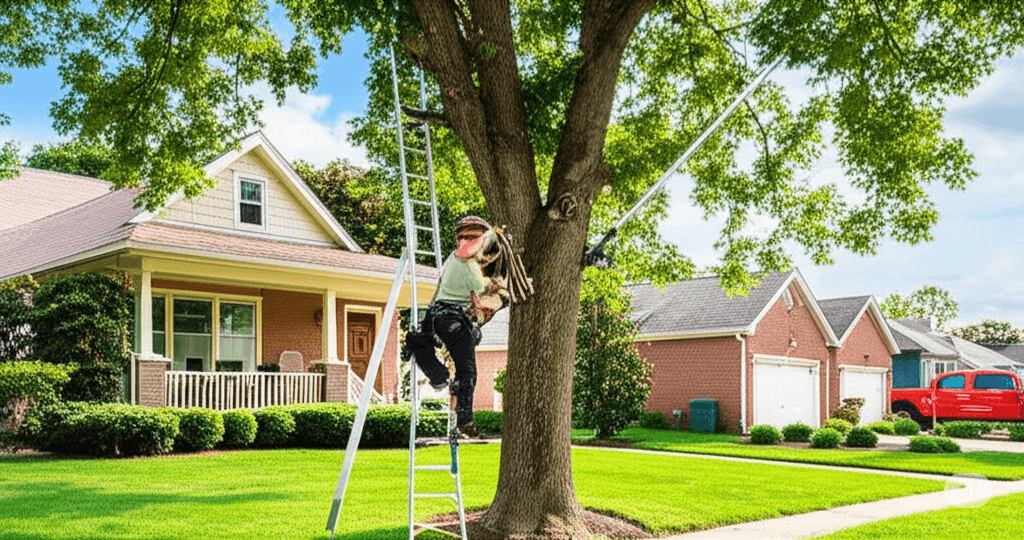
Indianapolis, known for its scenic green spaces and tree-lined neighborhoods, is facing a growing challenge that affects every canopy and root system in the city—climate change. As weather patterns shift, trees that once thrived are now struggling to adapt to increasingly extreme conditions. In response, a quiet transformation is taking place in the way homeowners, arborists, and municipalities care for and manage local trees. From smart species selection to proactive pruning strategies, affordable tree trimming Indianapolis services are emerging as one of the most practical tools in the city's environmental resilience toolkit.
More than just aesthetic maintenance, trimming has become a crucial method of ensuring that urban trees remain healthy, storm-resistant, and well-positioned to endure Indiana's evolving climate. Combined with new technologies, community engagement, and science-based forestry practices, tree care in Indianapolis is branching out—literally and figuratively—to meet the future head-on.
Weathering the Storm: Pruning for Resilience
Increased storm frequency and severity are among the most visible symptoms of climate change in the Midwest. For Indianapolis residents, this has meant more wind damage, heavier rains, and ice events that stress and weaken trees. The solution? Targeted, preventive trimming that reduces wind resistance and strengthens structural integrity.
Tree care professionals are prioritizing crown thinning and weight distribution to help trees weather these intensified storms. By selectively removing branches, arborists reduce the surface area that wind can push against, lowering the chances of breakage or uprooting. This isn't just about cutting back—it's about sculpting each tree to be aerodynamic and balanced.
Affordable tree trimming services are playing a key role by making this kind of preventive care more accessible in Indianapolis. Instead of waiting for damage to occur, residents are learning to view trimming as a storm-readiness tactic. This forward-thinking approach is helping reduce costly cleanups and property damage while extending the life of the city's trees.
Battling Pests and Diseases in a Warmer World
With rising temperatures comes a new wave of invasive pests and tree diseases. Warmer winters are no longer reliably cold enough to kill off harmful insects such as the emerald ash borer or the Asian longhorned beetle, allowing these threats to survive and spread at higher rates. Fungal infections and root rot diseases are also becoming more common due to increased soil moisture from erratic rainfall patterns.
Indianapolis arborists are adjusting their care plans accordingly. Integrated pest management (IPM) techniques are being widely adopted, emphasizing early detection, targeted treatments, and biological controls instead of relying on chemical pesticides. Regular inspections during trimming appointments help identify issues early, before they spread to other trees or become too advanced to manage.
By incorporating disease-resistant tree species into planting efforts and adapting fertilization schedules, tree care providers are helping build a more robust urban forest. When combined with strategic trimming that removes infected limbs and improves airflow, these practices reduce the risk of widespread outbreaks that could devastate entire blocks or neighborhoods.
Changing the Trees We Plant: Embracing Climate-Smart Species
One of the most profound shifts in Indianapolis tree care involves rethinking which trees should be planted at all. Historically popular species such as silver maples and ash are increasingly being replaced by hardier, more climate-adapted varieties. Tree selection now takes into account drought tolerance, heat resistance, pest immunity, and growth predictability.
Climate-smart trees such as bald cypress, swamp white oak, Kentucky coffeetree, and ginkgo are being recommended for urban planting due to their proven durability under stressful conditions. Arborists are working closely with homeowners, developers, and city planners to ensure that new plantings align with long-term sustainability goals.
This shift isn't just about survival—it's about ecosystem performance. Trees that can adapt to changing precipitation and temperature levels will continue to provide essential services such as shade, air purification, and carbon sequestration. With careful planning and planting, Indianapolis is building an urban forest that's ready for tomorrow's climate today.
Managing Water Wisely Through Tree Care
Climate change has made rainfall patterns increasingly unpredictable—swinging from droughts to deluges in short periods. These extremes can damage tree root systems, weaken trunks, and disrupt the soil conditions needed for healthy growth. In response, tree care in Indianapolis is evolving to include smarter water management practices.
Mulching has become standard practice, helping to regulate soil temperature and moisture retention around the root zone. Irrigation techniques are also being refined. Instead of frequent shallow watering, deep but infrequent irrigation is encouraged to help trees develop strong, drought-tolerant roots.
When trimming trees, arborists now consider how canopy density affects rain absorption and evaporation. Strategic limb reduction improves light penetration and prevents water from pooling on leaves and branches, reducing the risk of fungal growth. These seemingly small adjustments are helping trees cope with increasingly erratic moisture conditions, reducing stress and promoting long-term stability.
Leveraging Technology for Smarter Tree Management
Innovation is becoming a powerful ally in the fight to preserve Indianapolis' tree canopy. From satellite imagery to drone assessments and GIS mapping, new tools are giving arborists better data about tree health, risk factors, and environmental interactions than ever before.
Remote sensing allows tree professionals to monitor changes in canopy coverage over time, assess drought stress in specific areas, and track the spread of disease hotspots. Smart irrigation systems can adjust water delivery based on real-time weather data, while mobile apps allow arborists to log trimming histories, pest sightings, and structural assessments with a few taps.
This data-driven approach means that tree trimming and maintenance schedules can now be customized with precision. For instance, rather than trimming on a fixed seasonal cycle, services can be prioritized for trees showing signs of stress or exposure to recent high winds. With technology guiding decisions, resources are used more efficiently, and outcomes are improved across the board.
Educating Homeowners to Become Tree Stewards
A climate-resilient urban forest can't thrive without informed, engaged residents. One of the most significant ways that tree care is adapting in Indianapolis is by empowering homeowners to become active participants in the health of their trees. Affordable trimming services often include consultations, helping property owners understand what their trees need and how to spot early warning signs of trouble.
Workshops, online resources, and neighborhood tree walks led by local arborists have become increasingly popular. These programs teach residents how to mulch properly, water wisely, and avoid common mistakes such as volcano mulching or improper pruning. The goal is to create a culture where trees are not just part of the landscape—but part of the community.
By demystifying tree care, these efforts ensure that climate adaptation isn't confined to professionals alone. Everyone with a tree in their yard plays a role in helping Indianapolis maintain a vibrant, storm-ready canopy.
Conclusion: A Greener, Smarter Urban Forest for the Future
Indianapolis is no longer treating climate change as a future problem—it's facing it head-on through practical, science-driven tree care strategies that protect its canopy today and tomorrow. As weather patterns shift and ecological pressures mount, the city's trees are depending on adaptive care to survive and thrive.
From smarter planting to targeted trimming and resident education, the city's arborists, landscape professionals, and homeowners are all part of a collective effort to future-proof Indianapolis' urban forest. And thanks to affordable tree trimming services in Indianapolis, this transformation is accessible to more people than ever before.
Published 5/29/25
   |
 
|