
Selling a home usually sounds straightforward. You list it, find a buyer, and close the deal. That was exactly what I expected when I decided to sell my mobile home in South Carolina.
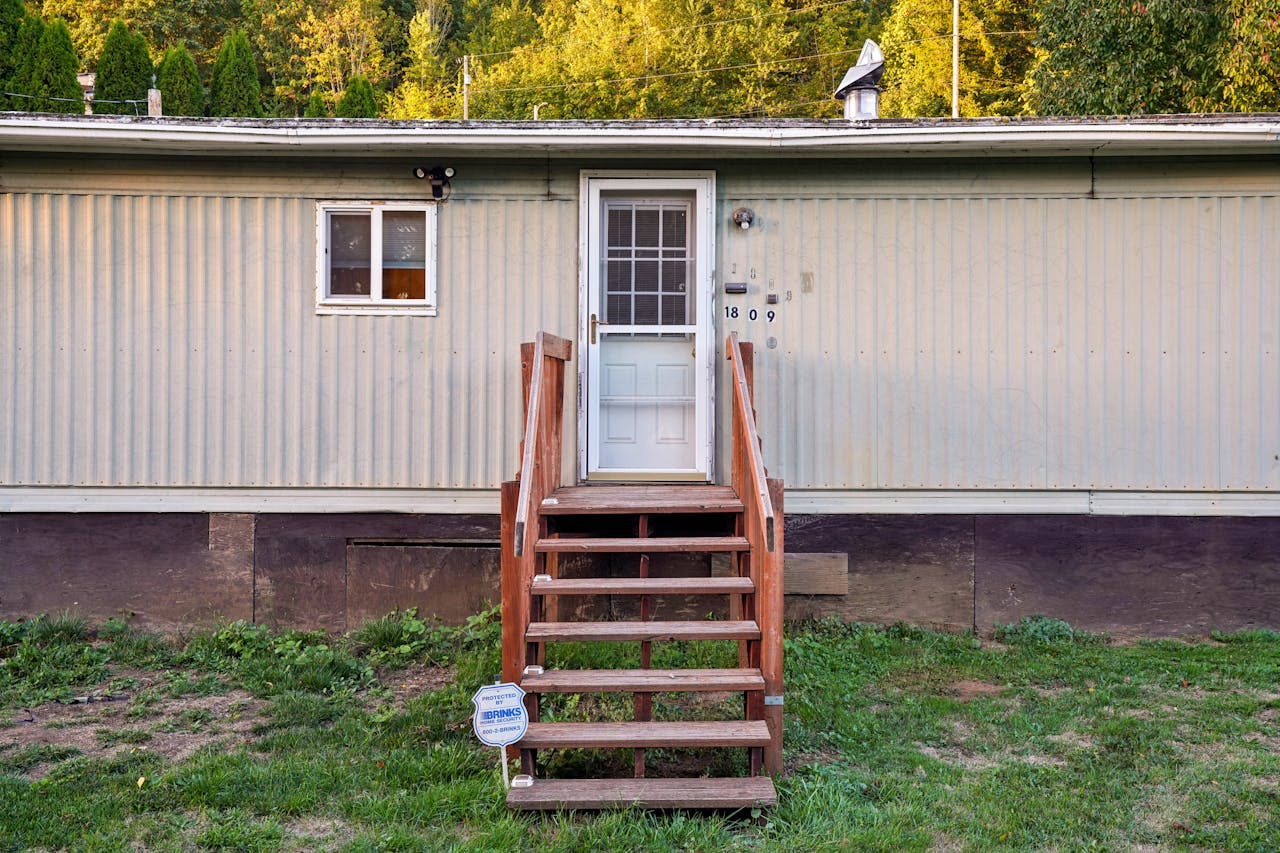
Very quickly, I realized this process works differently from selling a traditional house. From paperwork to pricing and even how buyers view the property, every step came with new rules. I had to learn fast to avoid delays and confusion.
If you are in the same position, knowing these differences early can save time and prevent costly mistakes.
Why Mobile Homes Follow a Different Set of Rules
One of the first things I discovered was that mobile homes are often treated as personal property rather than real estate. This changes how the sale is handled, including taxes, titles, and legal steps.
I came across options like We Buy SC Mobile Homes, which showed me that there are buyers who specialize in these types of properties and understand the unique process involved.
In South Carolina, if the land is not included in the sale, the process is closer to selling a vehicle than a house. That means title transfers instead of standard deeds. This detail alone can surprise many first-time sellers.
Pricing Was Not What I Expected
I assumed pricing my mobile home would be similar to pricing a house. I thought I could compare nearby sales and set a competitive number. That approach did not work as planned.
Mobile home values depend on different factors. Age, condition, park rules, and whether land is included all play a major role. Even small details like upgrades or location within a park can affect the price.
I had to adjust my expectations and focus on realistic market value rather than emotional attachment. This helped me attract serious buyers faster.
Buyers Asked Different Questions
When buyers started reaching out, their questions were not what I expected. Instead of focusing only on size and layout, they asked about lot rent, park rules, and whether the home could be moved.
These questions made sense. Buyers want to know their ongoing costs and any restrictions they may face. In some cases, park approval is required before the sale can move forward.
Being prepared with clear answers made a big difference. It helped build trust and kept the process moving smoothly.
Paperwork Came With Surprises
The paperwork involved in selling a mobile home felt unfamiliar at first. Instead of dealing with standard real estate contracts, I had to handle title documents and ensure everything matched state requirements.
I made sure the title was clear and in my name before moving forward. Any issues with ownership records can delay the sale or even stop it completely.
Working through the paperwork carefully helped me avoid setbacks. It also gave buyers confidence that the transaction would be smooth.
Selling Without Land Changed Everything
One major difference was selling the home without the land. This is common in mobile home parks, though it changes how buyers view the property.
Without land ownership, buyers consider monthly lot rent and park rules as part of their decision. This can affect both demand and pricing.
I learned that presenting the home well and being transparent about costs helped attract the right buyers. Clear communication made the process easier for everyone involved.
Timeframes Were Shorter Than I Thought
Another surprise was how quickly some sales can happen. Traditional home sales can take weeks or months. Mobile home sales can move faster, depending on the buyer and the situation.
Cash buyers and specialized companies often close deals quickly. This can be helpful if you need to sell within a specific timeframe.
At the same time, rushing without checking details can lead to problems. Balancing speed with careful decision-making is important.
Small Repairs Still Made a Big Impact
Even though mobile homes are priced differently, presentation still matters. I made a few small improvements before listing my home.
Simple updates like cleaning, fixing minor issues, and improving curb appeal made a noticeable difference. Buyers responded more positively, and it helped justify my asking price.
You do not need major remodeling. Focus on making the home look well-maintained and move-in ready.
What I Would Do Differently Next Time
Looking back, I would spend more time researching the process before listing my home. Understanding the differences early would have saved me from confusion.
I would also connect with experienced buyers or professionals sooner. Their insights can help you avoid common mistakes and speed up the process.
Most importantly, I would stay flexible. Selling a mobile home requires a different mindset, and being open to new approaches can lead to better results.