
Selling your home for cash sounds simple until you realize you still owe money on it. If you have a mortgage balance sitting on your property, the idea of a quick cash sale can feel complicated. It doesn't have to be. The process is actually pretty straightforward once you know what happens behind the scenes.
Thousands of homeowners sell their properties with active mortgage balances every year. A cash buyer doesn't need you to own your home free and clear. They just need the numbers to work, and in most cases, they do.
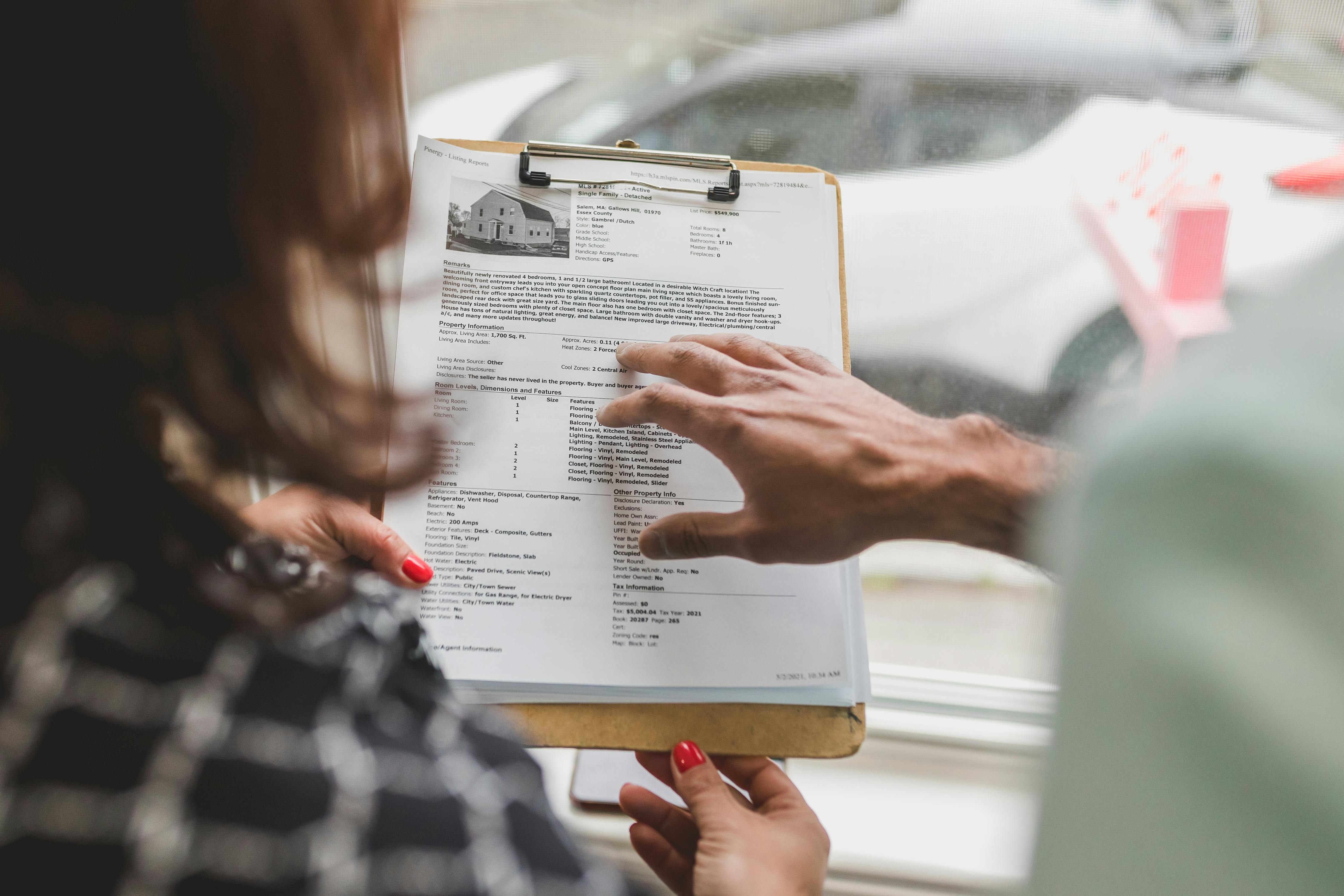
Your Mortgage Gets Paid Off at Closing, Not Before
Here's something a lot of sellers don't realize: you don't need to pay off your mortgage before selling. When a cash sale closes, your lender gets paid directly from the sale proceeds. It all happens at the same time, in one transaction.
A title company or closing attorney handles this. They collect the buyer's funds, use a portion to satisfy your remaining loan balance, and release whatever is left over to you. The mortgage gets wiped clean on that same day.
You don't need to scramble to come up with money ahead of time or worry about juggling two things at once. The system is set up exactly for this situation.
What a Payoff Statement Is
Before your sale can close, the title company needs to know exactly how much you owe. They request a payoff statement directly from your lender. This document shows the total amount required to fully pay off your loan as of a specific date, including any interest that has accrued and any fees involved.
Payoff amounts change daily because mortgage interest accrues every day. So the payoff statement is always tied to a specific payoff date, usually the expected closing date. If closing gets pushed back a few days, the title company simply requests an updated figure.
How Cash Buyers in Austin Handle This Differently Than Traditional Buyers
One of the biggest perks of a cash sale is speed. Traditional buyers often need 30 to 45 days just to clear financing. Austin All Cash Home Buyers and similar cash-focused buyers can close in as little as seven to fourteen days because they skip the mortgage approval process entirely. That speed is real, and it carries over to how the existing mortgage gets handled, too.
Cash buyers are also less likely to back out because of appraisal issues. With traditional financing, if a home appraises below the agreed sale price, the whole deal can fall apart. Cash buyers aren't tied to appraisals the same way. They make an offer based on what the home is worth to them, and they move forward.
For sellers with a mortgage balance, this matters. Fewer moving parts mean fewer chances for something to go sideways before your loan gets paid off.
What Happens If You Owe More Than the Home's Value
This scenario is called being underwater or upside-down on your mortgage. It means your remaining loan balance is higher than what the home would sell for. It's more common than people think, and a standard cash sale won't automatically solve it.
If you're in this position, you have a few options. You can bring cash to the table to cover the gap. You can negotiate a short sale with your lender, where they agree to accept less than what's owed. Or you can work with a cash buyer who has experience buying distressed properties and navigating these situations.
Being upside-down isn't a dead end. It just requires a more specific strategy and a buyer or agent who knows how to handle the lender side of things.
Step-by-Step: From Accepted Offer to Paid-Off Loan
Once you accept a cash offer, the buyer typically puts down earnest money and opens a title order. The title company starts working through a checklist that includes pulling your payoff statement, running a title search, and preparing the closing documents.
On closing day, the buyer wires their funds to the title company's escrow account. The title company then disburses those funds according to the settlement statement, your lender gets the payoff amount, any taxes or fees get covered, and you receive whatever equity remains.
After that, the title company records the new deed with the county and sends the payoff to your lender. Your lender then cancels the lien on your property, usually within a few weeks, and mails or records the lien release confirming your mortgage is gone.
Prepayment Penalties Are Worth Checking
Some mortgage loans include prepayment penalties, fees your lender charges if you pay off the loan too early. These penalties are more common with certain loan types and less common with standard conventional mortgages, though it's worth checking your loan documents or calling your servicer before you commit to a closing date.
Prepayment penalties don't kill deals. They just adjust the numbers. Your title company will factor any penalties into the payoff amount so there are no surprises at the closing table. Knowing about them in advance just helps you plan more accurately.
What Sellers Walk Away With at the End
Your net proceeds are whatever is left after your mortgage balance, closing costs, and any other liens or fees are paid. Cash sales often come with lower closing costs than traditional sales because there's no lender involved on the buyer's side, which removes certain fees from the equation.
Many cash buyers also purchase properties as-is, meaning you don't spend money on repairs or staging before the sale. What you see on the settlement statement is pretty much what you get, no last-minute repair credits being deducted after inspection.
If you've built equity over the years, a cash sale is often one of the fastest ways to access it. You close, your mortgage gets paid, and your check arrives, sometimes on the same day.
Frequently Asked Questions
Do I need to pay off my mortgage before selling my home for cash?
No, you don't need to pay off your mortgage before selling. When you close on a cash sale, your lender gets paid directly from the sale proceeds, so it all happens in one transaction.
What is a payoff statement, and why is it important?
A payoff statement is a document your lender provides that shows the total amount you owe on your mortgage, including any interest and fees. The title company needs this statement to know how much to pay off your loan at closing.
How is selling to a cash buyer different from a traditional buyer?
Cash buyers can close much faster, usually in about 7 to 14 days, because they skip the mortgage approval process. This speed means fewer chances for complications, especially when it comes to handling your existing mortgage.
What if I owe more on my mortgage than my home is worth?
If you're underwater on your mortgage, you have options. You can bring cash to cover the difference, negotiate a short sale with your lender, or work with a cash buyer experienced in handling distressed properties.
What can I expect to walk away with at closing?
After your mortgage balance, closing costs, and any other fees are paid, your net proceeds are what you get to keep. Cash sales often come with lower closing costs and may let you sell your home as-is, so what you see on the settlement statement is usually what you get when working with a cash buyer like Austin All Cash Home Buyers.